
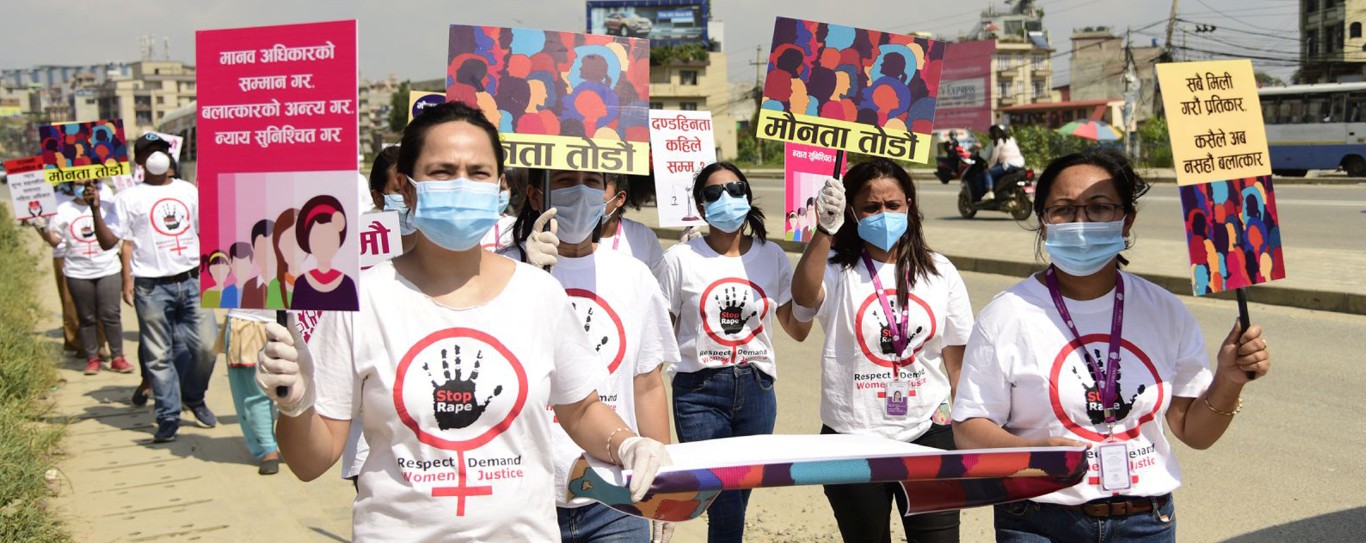
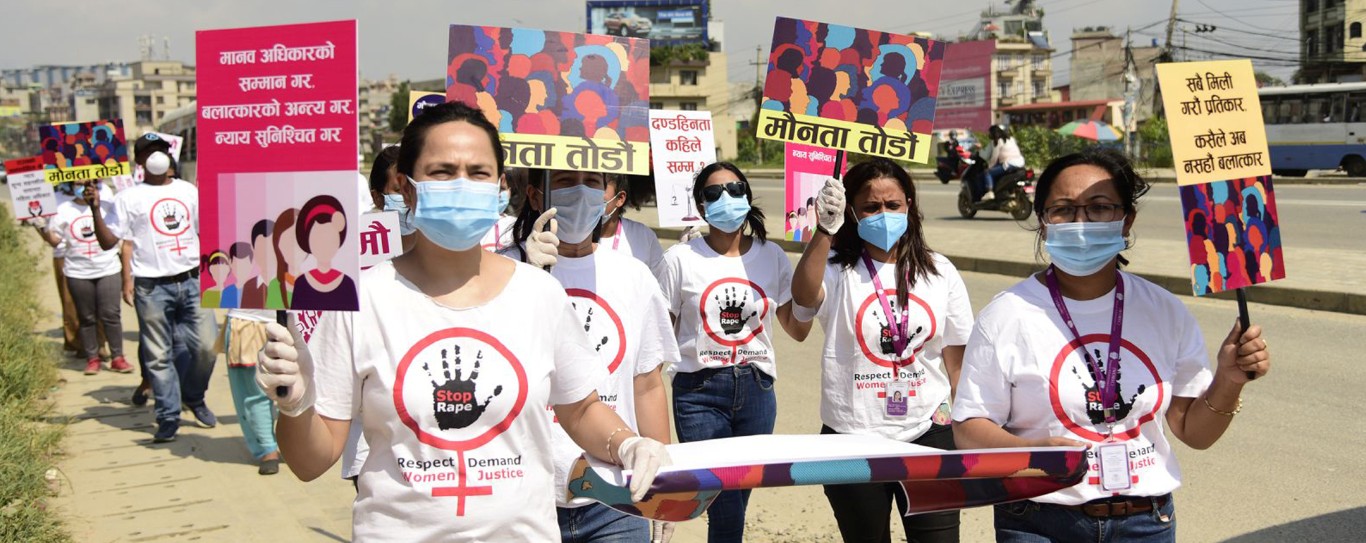
Kathmandu. Although the Constitution of Nepal guarantees safe motherhood and reproductive health as fundamental rights for women, the reality remains dire. The Women's Rehabilitation Center (WOREC) recently issued an appeal drawing the government's attention to the fact that Nepali women remain deprived of basic health services due to remote geography, weak health infrastructure, and a lack of manpower.
Due to a shortage of skilled personnel and the absence of effective emergency services, pregnant women continue to face the tragic fate of dying on the way to hospitals or giving birth on the road. National statistics highlight the severity of the safe motherhood situation.
According to the Nepal Demographic and Health Survey, the maternal mortality rate stands at 151 per 100,000 live births. Only 79 percent of deliveries occur in health institutions, and just 57 percent of women receive the recommended four antenatal check-ups. The fact that 17 percent of girls aged 15 to 19 become pregnant and the use of modern family planning methods is limited to 43 percent underscores the poor state of reproductive health.
The situation in Karnali Province is even more pathetic. Over the past 9 years, 172 women have died due to lack of access, and in districts like Jumla, Dolpa, Mugu, and Bajura, women giving birth on the road has become a common occurrence. In Bajura alone, 12 pregnant and postpartum women have died in the last four years.
In Jumla, 152 out of 184 approved doctor positions remain vacant, reflecting extreme negligence in the health system. Recent incidents, such as the one on Chait 9 in Bajura where a woman had to give birth on the way to the hospital and both mother and child died due to complications, have raised questions about the accessibility of safe motherhood services.
According to WOREC, the lack of access to health services is driven not only by remote geography but also by socio-cultural discrimination and gender-based violence. Among those who arrived at WOREC's shelter in 2025, 9 cases involved adolescent pregnancies, all of which were affected by gender-based violence. While some work has been done at the policy level regarding safe abortion and uterine prolapse, ineffective implementation continues to cause suffering for women.
In this context, WOREC has placed specific demands on the newly formed government. They have called for the expansion of quality emergency maternal health services in remote and marginalized areas, the assurance of skilled manpower and equipment in health institutions, and the implementation of effective emergency rescue services, including free airlifts for pregnant women.
Furthermore, WOREC has emphasized the need for strict legal enforcement to end child marriage, sexual violence, and gender discrimination, as well as the expansion of mental health and psychosocial counseling services down to the local level.
https://english.ratopati.com/story/57942/the-right-to-safe-motherhood-in-nepal-is-still-limited-to-paper

 Reply
Reply As conflicts and geopolitical tensions escalate in the Middle East, Nepali migrant workers are facing a precarious and dangerous situation. The registration of over 86,000 Nepalis for emergency assistance is not just a statistic; it represents a collective plea for safety, dignity, and acknowledgment from individuals who contribute to the nation's economy but are often overlooked in times of need.
For years, Nepal has heavily relied on remittances from its migrant workers, who not only support their families but also play a crucial role in the country's stability. However, when crises arise, these workers are left vulnerable and neglected. The recent incidents in Abu Dhabi, where several Nepali workers were injured by debris from intercepted drones, highlight the harsh reality of the risks they face in conflicts they have no part in initiating or controlling. (Migrant workers in wartime | Nepali Times)
The Nepali government has taken some measures to address the situation, such as establishing a 24-hour Emergency Control Room, expanding hotline services, and deploying Rapid Response Teams at embassies. While these efforts are commendable, they must be carried out with urgency, coordination, and transparency to be effective. Many migrant workers are still stranded due to flight cancellations, delays in labor approvals, and unclear evacuation plans, especially in high-risk countries like Kuwait and the UAE. (South Asian Workers Stranded by War on Iran)
The situation is even more dire for those who are unable to return home. 38 Nepali individuals are still stranded abroad due to logistical challenges and bureaucratic delays. Each of these individuals has a family waiting for closure, with mothers anxiously checking the news every night and children wondering when their fathers will return. While the government has managed to repatriate a few, the majority are left in a state of uncertainty.
This crisis not only has humanitarian implications but also economic consequences. The conflict in the Middle East poses a direct threat to remittance inflows, which are Nepal's primary source of foreign income. A significant decrease in remittances would have a ripple effect on rural communities, impacting livelihoods, education, and healthcare. For many families, a disrupted remittance is not just a financial setback but a matter of survival.
Despite the challenges, the lack of clear communication from officials has heightened public anxiety. Families are in need of regular updates on rescue efforts, diplomatic negotiations, and available support services. Trust must be earned through transparency and decisive action.
It is crucial to recognize the diverse vulnerabilities within migrant communities. Women workers, undocumented migrants, and those in informal sectors are at a higher risk of exploitation, abuse, and exclusion from rescue efforts. Protection measures must be inclusive, rights-based, and gender-sensitive to ensure that no one is left behind in times of crisis.
Nepal is at a critical juncture. This moment requires more than just a bureaucratic response - it necessitates a moral reevaluation of how the nation values its labor force. Protection should not be an afterthought triggered by tragedy; it should be a national pledge, ingrained and lasting.
The issue is no longer about whether migrant workers drive Nepal's economy - they undeniably do. The real question is whether the country has the bravery to acknowledge them as citizens first, deserving of full respect, security, and support, regardless of where they reside and work.
The response will not only shape the outcome of this crisis but also define the ethical direction of Nepal as a country.
Feminism is central to the social, cultural and political movement for equality around the globe but how important is the role of feminist knowledge generation and retention to sustain the feminist movement? Is feminist resource center an answer? We explore.
Feminist movement and Nepal
In Nepal, from Yogmaya Neupane who ignited the rage against discrimination at the civic level in 1917, to the downfall of over a century long oligarchy Rana regime – made possible through women’s participation, feminist movement has played a significant role in shaping Nepal’s history.
The Department of Women Development was established in 2000 under the Ministry of Women, Children and Social Welfare which was an achievement of the women's unified efforts through years of advocacy and movement. The leaders of Nepal's feminist movement, having recognized the need for an alliance to achieve rights and equality, established the Inter-Party Alliance of Women (IPWA) which was formed in 2006 as a common political mechanism for gender justice. IPWA is considered as the milestone in Nepal's feminist movement.
After the restoration of democracy, the reinstated parliament on May 20, 2006, unanimously adopted a resolution that incorporated four major points as women's equal right to descent, property, participation and law against violence against women (VAW). The resolution was followed by amendment of other various discriminatory laws - one being the issuance of passports for women under 35 with their father or husband's consent.
Feminist movement in Nepal has entered into the agendas carried by the third wave of global feminist movement. Convention on the elimination of all forms of discrimination against women (CEDAW) has been the focus with issues of recognition to women which transcribes challenges and policy implementation towards right to participation, descent, property, reproductive health, citizenship and more.
Gender equality is key to overall wellbeing of women, and researches[1] have shown that support for gender equality is high among women with higher education. However, Nepal’s documentation of feminist movement and its achievements are slight, scattered and unattainable.
Nepal has high prevalence of gender-based violence (GBV) despite its significant progress in gender equality and women empowerment over the years. There is still a long way for Nepali women to establish an equal footing with their male counterparts, but possible only with increased knowledge and experience which requires constant engagement and discussion to further feminist campaigns in the country.
Feminist knowledge generation and discord
Feminist knowledge generation is one of the significant aspects to advance shared achievements of the feminist movement of a country. Adoption and ratification of the international conventions and programs have provided Nepal an opportunity to both contribute and take advantage of the common plan of actions. CEDAW, the Beijing Declaration and Platform for Action (BPfA) and the Sustainable development Goals (SDGs) have been the pillars for some of the prevalent reforms on inclusion, gender equality and women empowerment as enshrined by the Constitution of Nepal 2015.
However, the discourse on how these binding conventions and urgent call for actions were contextualized and interpreted in Nepali context, have not been found recorded as part of knowledge resource.
Similarly, in 2020, the parliament endorsed the government’s Citizenship Amendment Bill to the Citizenship Act of 2006. It states that children born to a Nepali father and a foreign-born mother are eligible for citizenship by descent, while those born to a Nepal-born mother and a foreign-born father will be granted naturalized citizenship, with less privilege.
The frustration with the endorsement was expressed immediately. The feminist fraternity along with media and academics raised voice against the unequal treatment of women in the bill. Many articles were published, and virtual discussions took place but, assembling of materials for a comparative study would prove extremely difficult due to information being scattered.
Despite profound history of feminist movement, countless reforms and prevailing issues of feminism, Nepal lacks sustained effort to document the achievement, processes and struggles of Nepali women and their contribution to the feminist movement.
Need for an integrated feminist resource center
There have been efforts to resource knowledge around gender equality and feminism in the past through media outreach, academic researches and numerous consultations; however, not having an integrated platform of resources has proven difficult for individuals, organizations or networks interested in feminism to access them.
“A feminist resource center will help advance the evidence based advocacy that Nepal needs. It is important to document feminist knowledge as the concept of gender equality is not static. The gender discourse keeps evolving depending on the lived experiences and new researches based on evidence.” said Dr. Chandra Bhadra, Professor Emeritus of Gender Studies, Tribhuvan University, who played a crucial role in establishing Gender Studies in Nepal’s curriculum.
Department of Gender Studies at Tribhuvan University was established in 2009 that contributed to launching Master’s degree in gender studies. This created avenues for researchers and authors for more research and knowledge generation in the context of feminism and women development in Nepal. This has been an historic win for gender and feminist academics and researchers, however, it only catered to the students and academics, not the public in general.
After the establishment of National Women Commission in 2010, organizations working on women and gender issues took the charge of civic awareness and launched various campaigns to define and re-define the demands of feminist movement in Nepal. Similarly, empowerment and inclusion being the core agenda, both national and international development organizations have been building up platforms that explain their works, impacts and achievements. But again, issues of segregation and individualistic working patterns affect the overall feminist movement in Nepal. It is crucial that there is a well co-ordinated, healthy partnership-led resource platform for all to discuss, dissect, inform, share and grow together.
Moreover, it is equally essential to capture the voices of those who are mostly underrepresented even within the feminist discourse. “While talking about feminist focused resource space, we need to be mindful that there isn’t segregation of women’s issues and LGBTIQ issues. It is important to understand that they are inter-linked. Issues around intersectionality such as class, race, identity and sex should also be considered when it comes to generating, discussing, and sharing feminist issues,” said Rukhshana Kapali, a transgender female human rights activist.
Gender justice and women rights in Nepal would be achieved only by changing culture, attitude and behavior at a personal, professional and policy level. It is also critical to consciously define, structure, retain and disseminate knowledge to sustain the feminist movement, on the basis of captured knowledge, policy reviews and revisions of laws and regulations, and bringing forward the local lived experiences of rural feminist champions.
The feminist resource portal will provide the right hub that will continue even after the actors fade away. It will provide individuals, institutions, policy makers, researchers, educators and gender advocates to further the feminist movement through an integrated platform where anyone can access knowledge on gender and women, feminism and feminist movement, on GBV and VAW, practices in other countries, on policies and laws, and most importantly on the shared agenda that women's right is human right.

Top Contributors
Upcoming Events
Editor's Pick
- Emergence and Practice of Feminist Knowledge in Nepal General
- Walls Turned Sideways Are Bridges Reports
- No Justice without Reparation: Why Rape Survivors Must Have a Right to Compensation General
- Child Marriage Prosecutions in India - Case Law Analysis of Actors, Motives and Outcomes 2008-2017 General
- Feminist Leadership best practices - Sangat Best Practices
Poll
(You need to be a general user to vote in the poll)
Latest Discussions

Team1
 19th August
Samantha Hutchinson
29th July
Test Name
29th July
Rea Test
28th July
Sagun
23rd July 
Category
Social Link


